
Encounters Worth Remembering
Svetlana Popović Vujotić
Tourism
German tourists are among the most desirable guests in Europe and worldwide, as they generate a record number of overnight stays annually (in 2024, nearly 300 million trips). They have strong and stable purchasing power (estimated outbound spending for 2024/2025 is USD 120 billion), seek high standards of service and accommodation, and choose environmentally responsible destinations.
This is not the end of the description of the potential German guest. They prefer to travel when other visitors are less inclined to do so, i.e., outside the peak season, thereby directly contributing to its extension. Through their presence and expectations, they will encourage hosts to improve the overall quality of the offer.
These are the main reasons why effective penetration into the German tourism market is a goal of every serious country that sees this sector as an opportunity for economic growth.
Germans traditionally choose Spain, Italy, or Greece for their holidays (Austria and France are also expected choices), but when they travel to countries formed in the territory of the former Yugoslavia, they definitely stay the longest in Croatia. Neighboring Albania is also attractive to them.
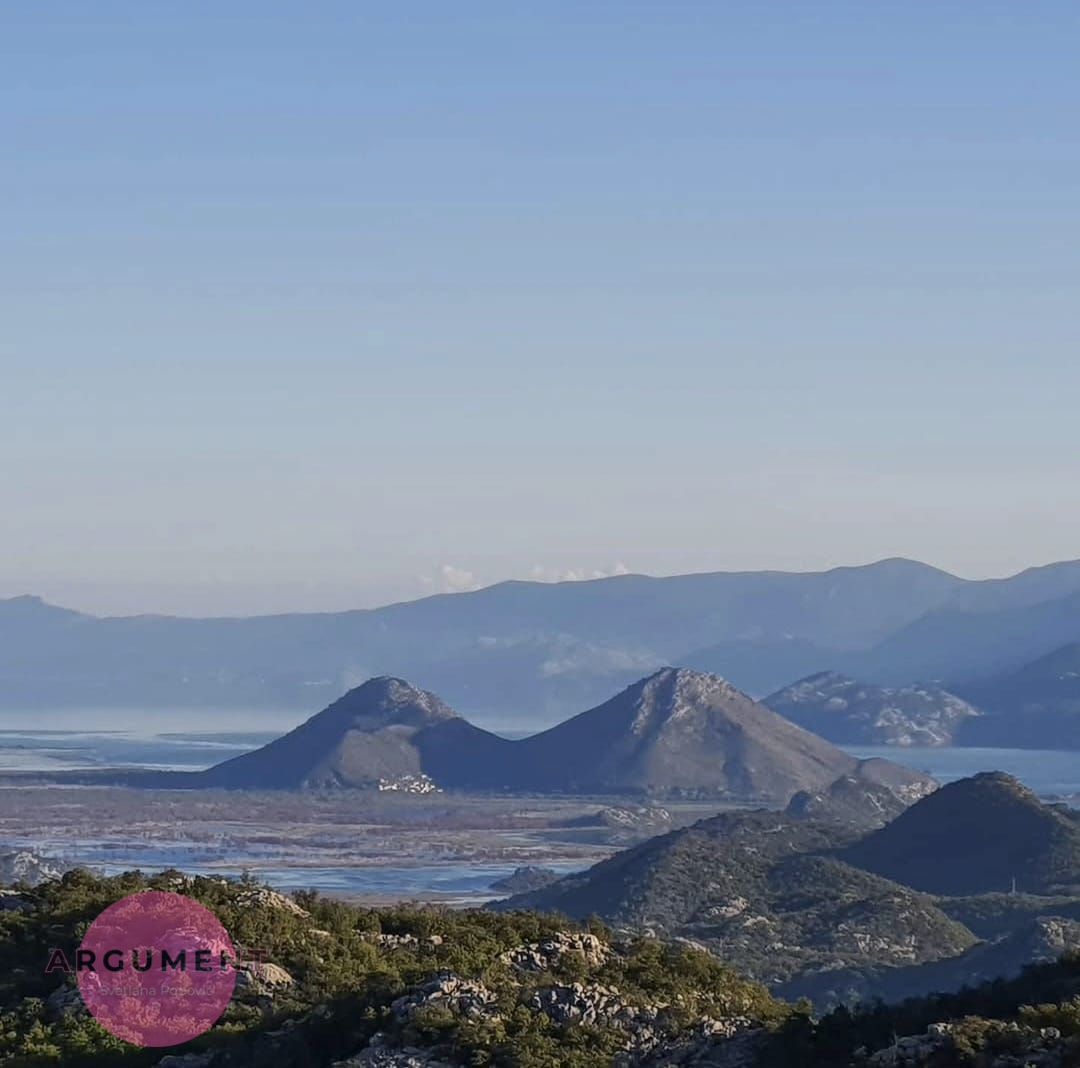
Montenegro, once a favorite destination for a large number of German tourists, has been trying—since 2006 and after two decades of building a new tourism image—to present itself to these record-setting travelers in a new light, while still recalling its former glory. The process is long and demanding, but not unattainable with responsible destination management.
Germany
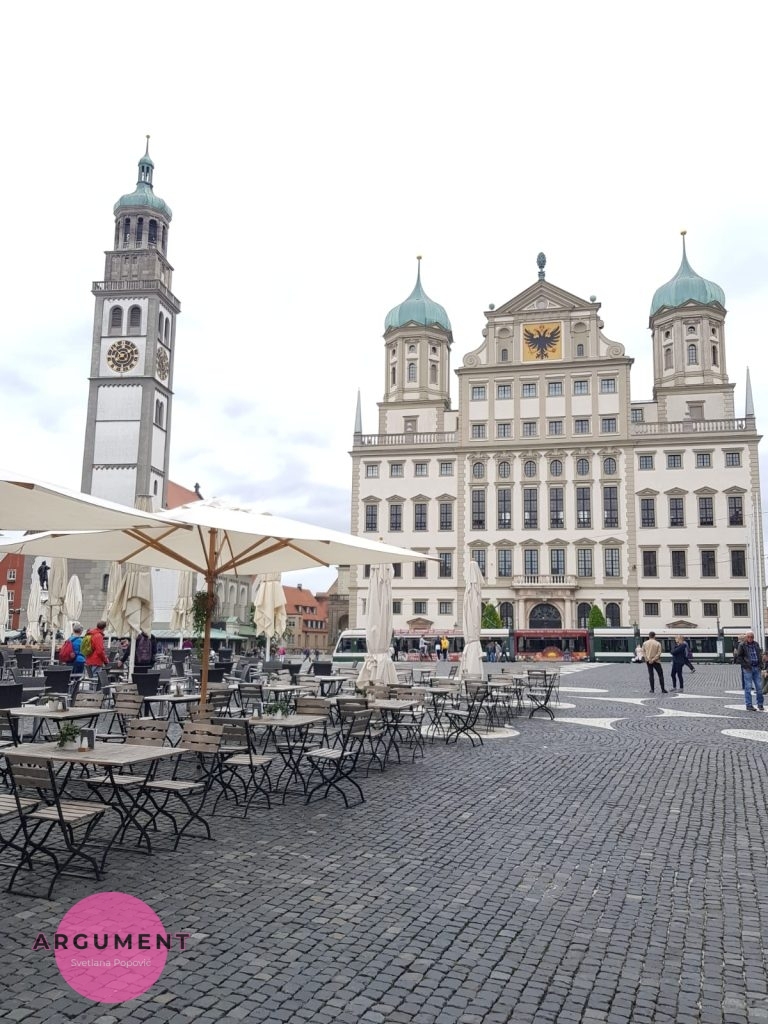
By following Montenegro’s tourism trends over many years, including in German-speaking regions, I have witnessed numerous impressions among residents there that they have insufficient information about our country in their language. Of course, we become more attentive and dedicated when our income depends on it, but we are still lacking in the quantity of high-quality and engaging tourism materials for a significant part of the German market.
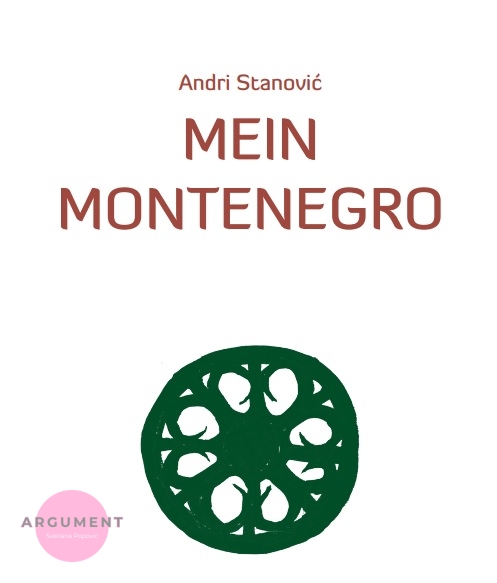
These days, we were delighted by the news that the first book by Andrija Stanović, *Mein Montenegro*, has been published—written, as the title itself suggests, in the German language.
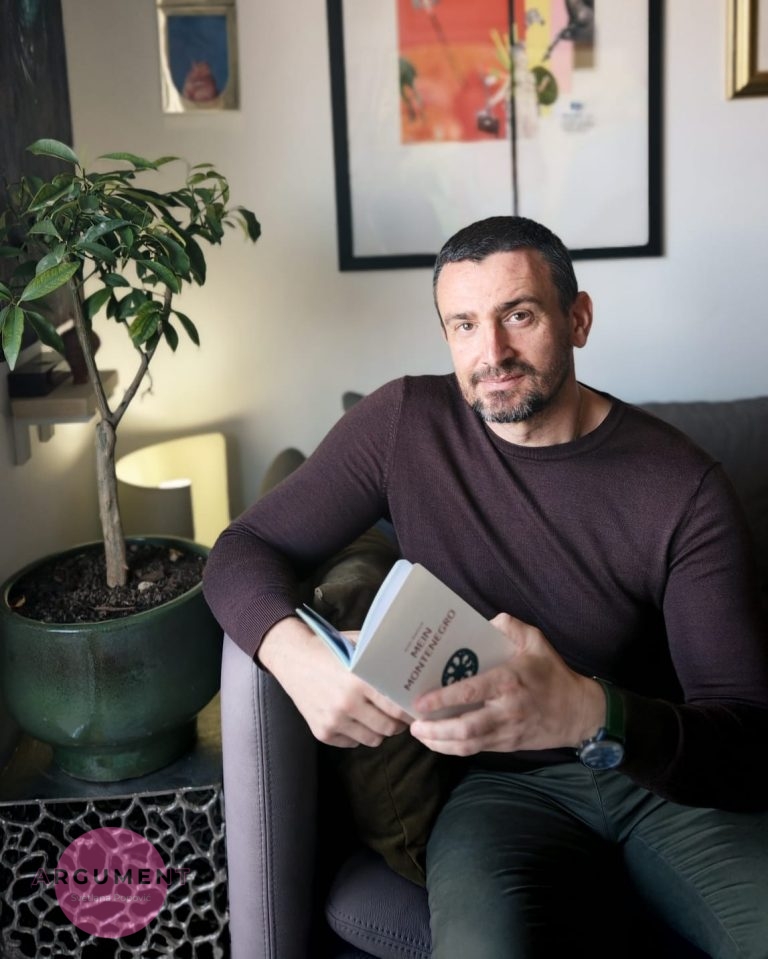
Andri Stanović
Stanović has been involved in tourism for many years. After graduating from the Faculty of Tourism and Hospitality in Kotor, gaining international experience through internships with a globally renowned hotel group, during his stay in Lübeck and at the Dahme Tourist Organization in Germany, as well as within the domestic hotel industry, he spent years engaged in promoting Montenegro through the National Tourism Organisation (NTO CG) in the DACH market. He continued his professional career in the private tourism sector and is currently pursuing a Master’s degree in International Marketing at the Faculty of Economics in Podgorica.
His literary debut *Mein Montenegro* represents a significant contribution to better familiarizing German-speaking audiences with Montenegro.
Argument: Where did the idea for *Mein Montenegro* come from?
Stanović: The idea came about spontaneously, through many years of working in tourism and numerous encounters with people who experienced Montenegro in their own unique way. Through conversations with guests, colleagues, partners, and journalists, I often realized that it is precisely the small, everyday moments that leave the strongest impression. The true value of a country lies not only in its natural beauty, but in its people, encounters, and the little moments that remain in memory forever. Encouraged by the editor of a Swiss magazine, I began to write down impressions and stories—not as a classic tourist guide, but as a personal collection of experiences, encounters, and emotions that accompanied me throughout both my professional and personal journey. This project is the result of two years of work, and I am especially pleased that it has been completed this year.
Argument: Why was the book published in German?
Stanović: I have been learning German since primary school, and I continued to build my knowledge through high school and university. At the same time, I always had the opportunity to hear it in its original form—first through television, and later during my stay in Germany. Over time, I noticed that I express myself more directly and vividly in German. Although literature has never been my primary focus, I believe that this very spontaneity has given my collection a special authenticity.
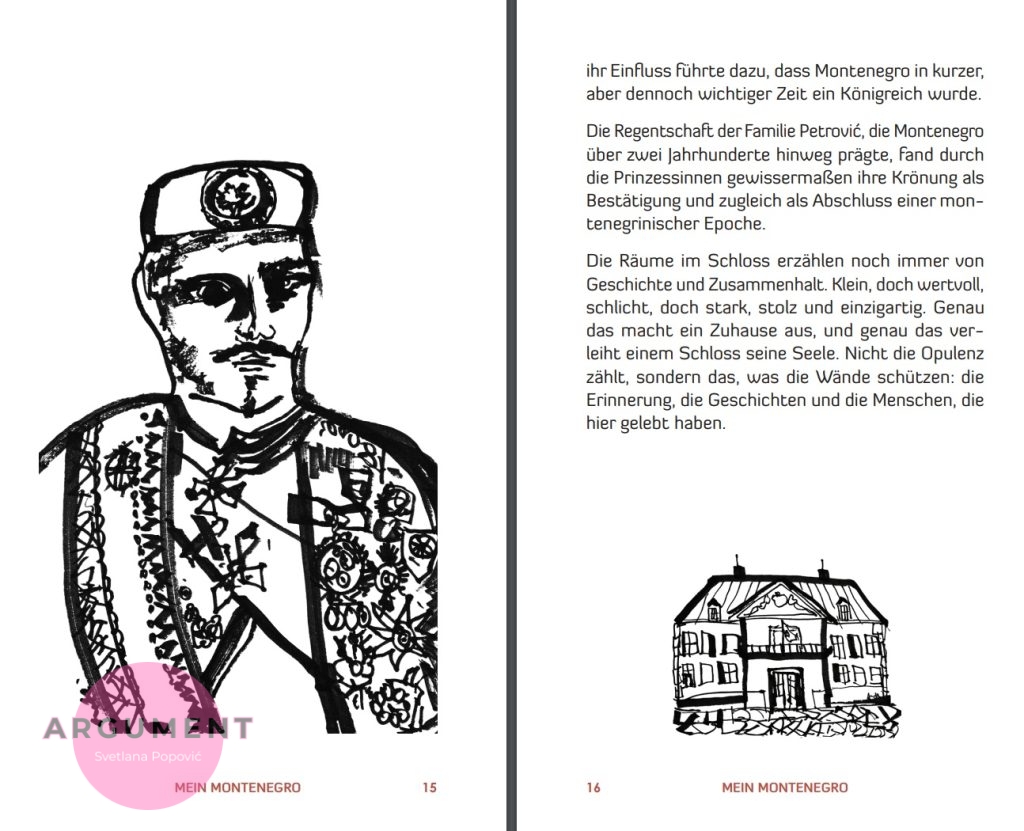
Argument: Does your book, in addition to the standard reading experience, also offer an interesting selection of original illustrations and photographs?
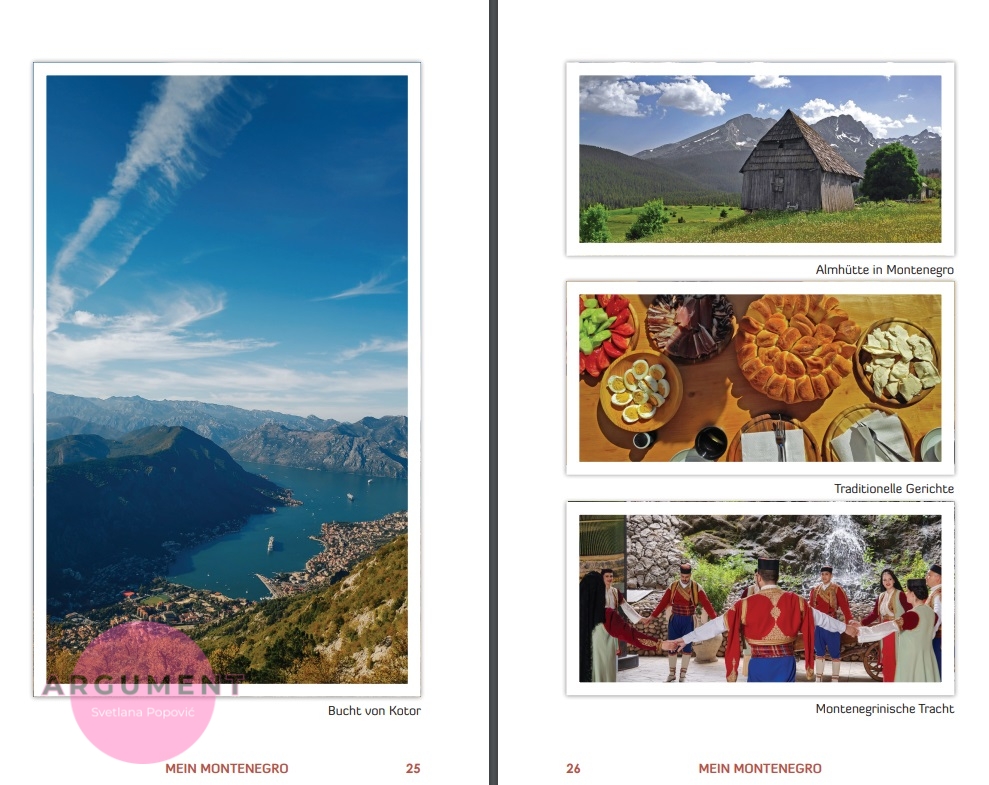
Stanović: This collection of stories is designed to be both read and visually interpreted at the same time. The format is smaller and practical, and it can be seen as a kind of pocket literature, suitable for travel. The visual elements are actually an extension of the stories, conveying atmosphere, moments, and emotion. As the author, I truly enjoyed the process of creating them. I hope that readers will recognize and feel the connection between these two forms of expression.
Argument: Why did you choose this particular way of interacting with the audience?
Stanović: I believe that the modern reader seeks more than just information. The pace of life today is much faster than it used to be—people are impatient and eager for new content, which is why I focused on concise yet not superficial stories. They are also not written to be read linearly; instead, each story functions as a small, self-contained world. In this way, the reader can find what resonates with them the most—whether through text, illustration, or photography.
Argument: What kind of readership is your collection of stories intended for?
Stanović: It is primarily intended for a German-speaking audience, and not exclusively for tourists. It is for anyone who wants to get to know Montenegro through a personal experience that is authentic and relatable. I believe it can also be interesting for people from our diaspora, primarily because of its unique emotional value. An English edition is also planned, as well as a second collection of stories that is already in preparation, with publication scheduled for early September of this year.
Argument: The German market is a familiar story for you, and an extremely important tourism segment for Montenegro—could you share your experience with us?
Stanović: The German guest is highly organized, well-informed, and has clearly defined expectations. They value quality, punctuality, safety, and good infrastructure. A large number of guests from this market still travel through organized arrangements offered by tour operators. When a German guest recognizes quality, they are very loyal, but they also quickly notice any shortcomings.
Germany
Argument: What does Montenegro need in order to attract more German tourists?
Stanović: Montenegro is, for the German market, primarily an air destination, which is why high-quality and stable air connectivity is of key importance. It is encouraging that this is improving year by year. It is also important to further strengthen cooperation with German tour operators and airlines, with support and incentive measures at the institutional level, considering that a significant number of guests arrive through organized arrangements. Although price competitiveness is no longer at the level it once was, there is still room to stand out further through the quality of service and the overall stay experience. I would especially highlight the importance of hospitality, friendliness, and a professional attitude toward guests, as these are the elements that are remembered the longest and often make the key difference in the perception of a destination.
It is evident that interest from the German market has shown a stable and positive growth trend in recent years, confirming that Montenegro is becoming an increasingly recognizable destination among tourists from that region. Promotion in the markets of Central and Western Europe is a complex and long-term process that requires dedication, a strategic approach, and continuity from all stakeholders in tourism. Efforts should focus on targeted promotion through B2B and B2C channels, along with the development of offers and packages tailored to the interests of tourists from Germany, Austria, and Switzerland. In this way, we can increase arrivals in the long term and build sustainable tourism growth.
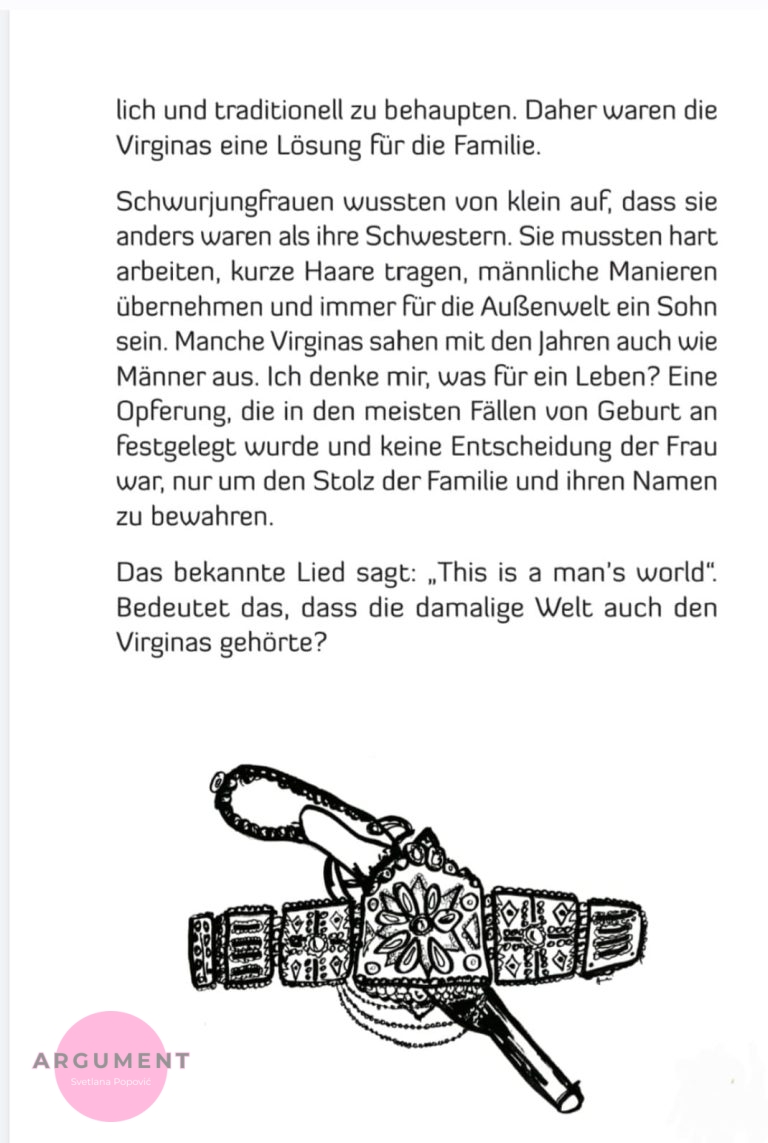
“…Sworn virgins knew from an early age that they were different from their sisters. They had to work hard, wear their hair short, adopt male manners, and always present themselves to the outside world as sons. Some of them, over time, even began to look like men. I wonder—what kind of life is that?
A sacrifice that, in most cases, was determined from birth and was not a woman’s choice, but a way to preserve the family’s honor and its name.
The famous song says: “This is a man’s world.”
Does that mean that the world of that time also belonged to sworn virgins?