
The statue that connected Colmar and New York
Svetlana Popović Vujotić
Travel
Great people do not come from great cities; they come from great dreams dreamed in small rooms. Nothing describes the lives of many great figures more simply and truthfully than these words—those who, through their work and creativity, have indebted humanity, which has long been filled with faith in the material and the transient instead of the subtle, enduringly valuable, spiritual, empirical, and immaterial.
That was the first thing we thought as we curiously drove several laps around the 12-meter-high replica of the Statue of Liberty, at the roundabout on the northern entrance to the historic city of Colmar, in the French region of Alsace.
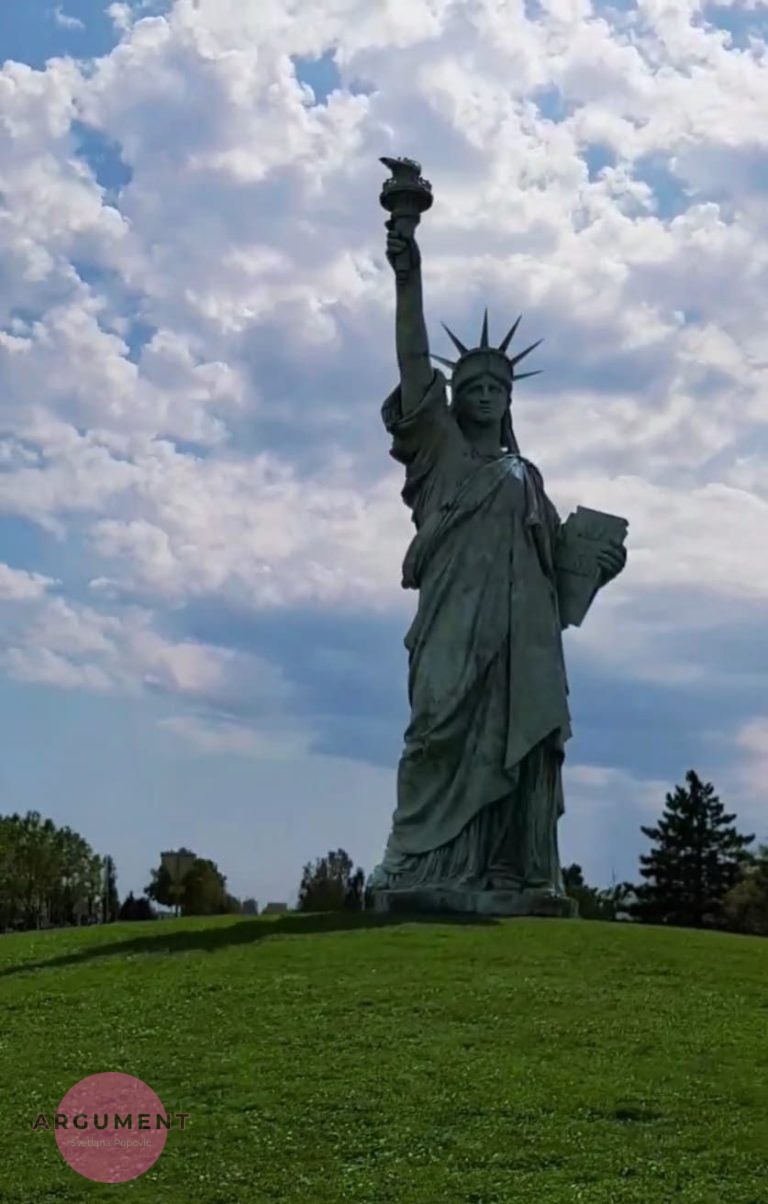
The replica of the Statue of Liberty in Colmar
Frédéric Bartholdi (1834–1904) fulfilled his artistic dream by creating the sculpture “Liberty Enlightening the World,” another name for the Statue of Liberty, installed in 1886 on Liberty Island, not far from New York, as a gift and a gesture of friendship from France to the United States of America.
Bartholdi did learn his artistic craft in the City of Light, but he carried the flame of freedom with him from the small town of Colmar, which, over time, changed rulers and nationality. Founded in the 9th century, it became a center for wine and textile production during the Middle Ages and was later declared a free imperial city. It was briefly occupied by the Swedes, then by the French under Louis XIV, and after the Franco-Prussian War in 1871, it was annexed by the German Empire. After World War I, it was returned to France, only to be seized again by Germany during World War II. It was liberated in 1945 and restored under the French flag.
A copy of Bartholdi’s original Statue of Liberty, which was inscribed on the UNESCO World Heritage List in 1884, was installed in Colmar to mark the 100th anniversary of the birth of the renowned artist.
Visitors to the museum in the sculptor’s birthplace, in the center of the old town at 30 Rue des Marchands, are greeted with a fascinating story about the creation and journey to America of one of the world’s artistic wonders, through which the creator immortalized his mother’s face by transforming it into the mythical Roman goddess of liberty—Libertas.
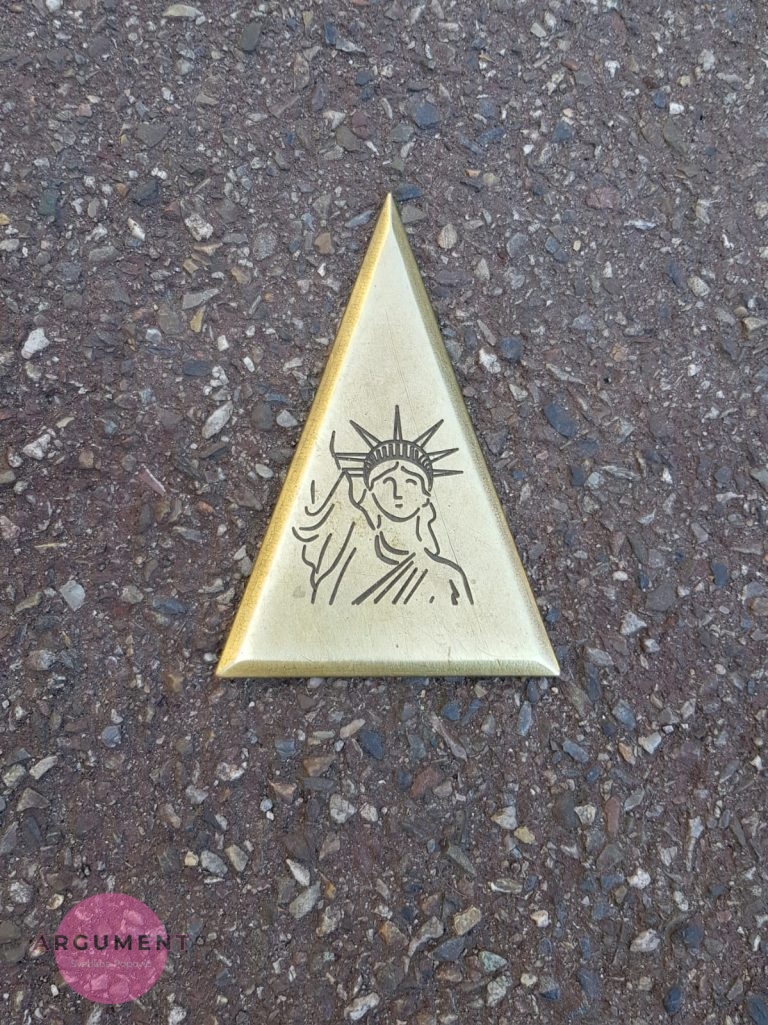
During our tour of the second-largest city in the Alsace region (the first being Strasbourg), we were constantly accompanied by “signs of freedom.” By following clear markers along the asphalt and cobblestone streets, we easily reached the main attractions.
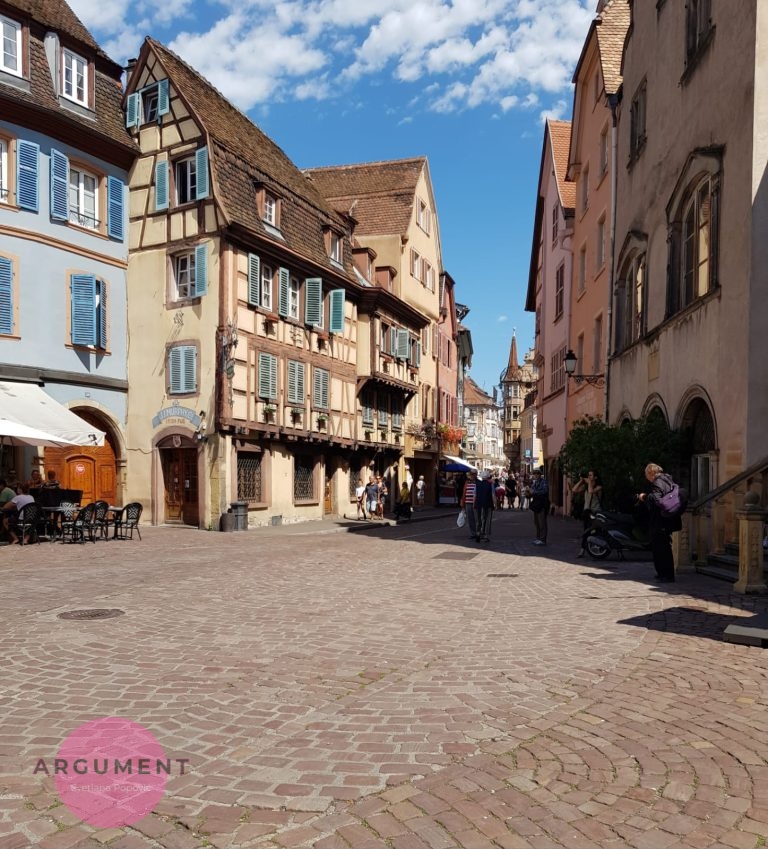
Entering the historic core is a wondrous journey through time—quiet, elegant, and emotional. The people who live there create magic for visitors. The colorful house facades, with their distinctive wooden details, lean against one another, forming an unbroken painted sequence on a vast canvas. Each building is uniquely decorated, so a cluster of plush toys on the windows and walls of one house, just a few steps away, may be replaced on another by a collection of hanging pots filled with vibrant flowers, or by original kitchen utensils displayed at the next address.
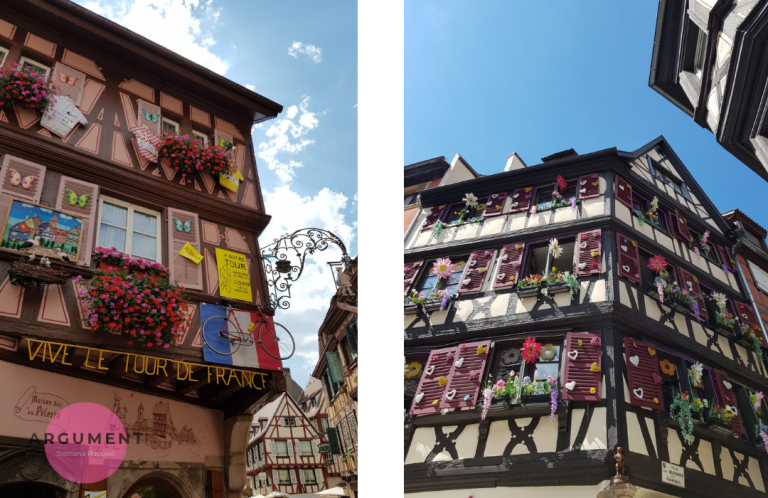
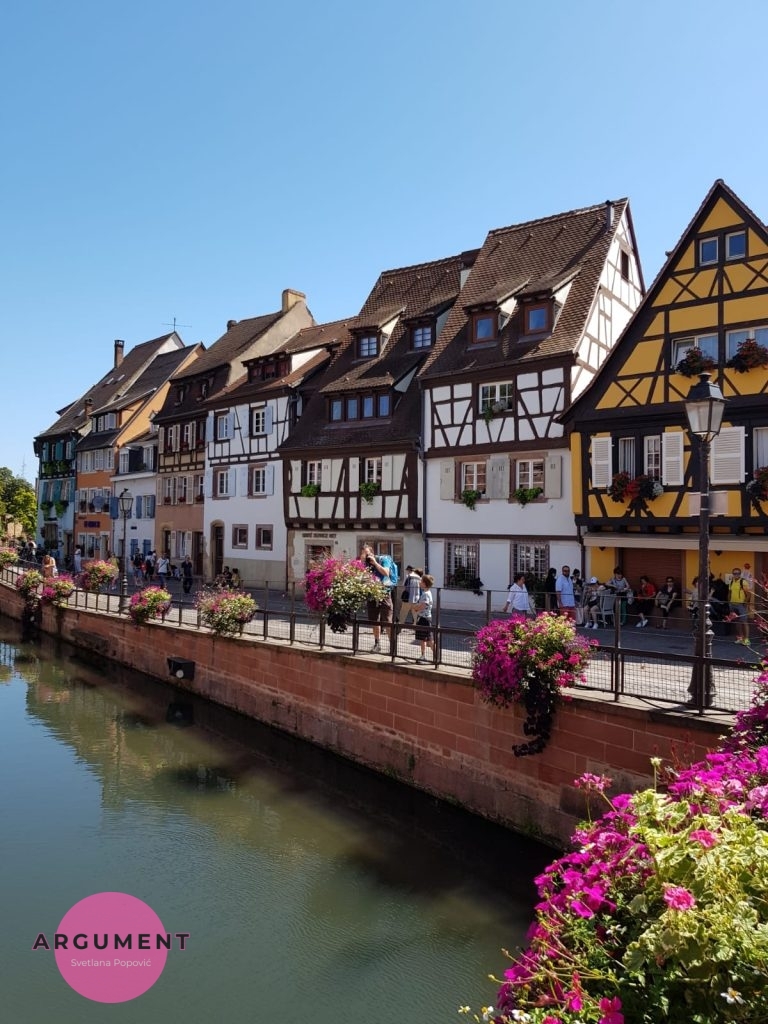
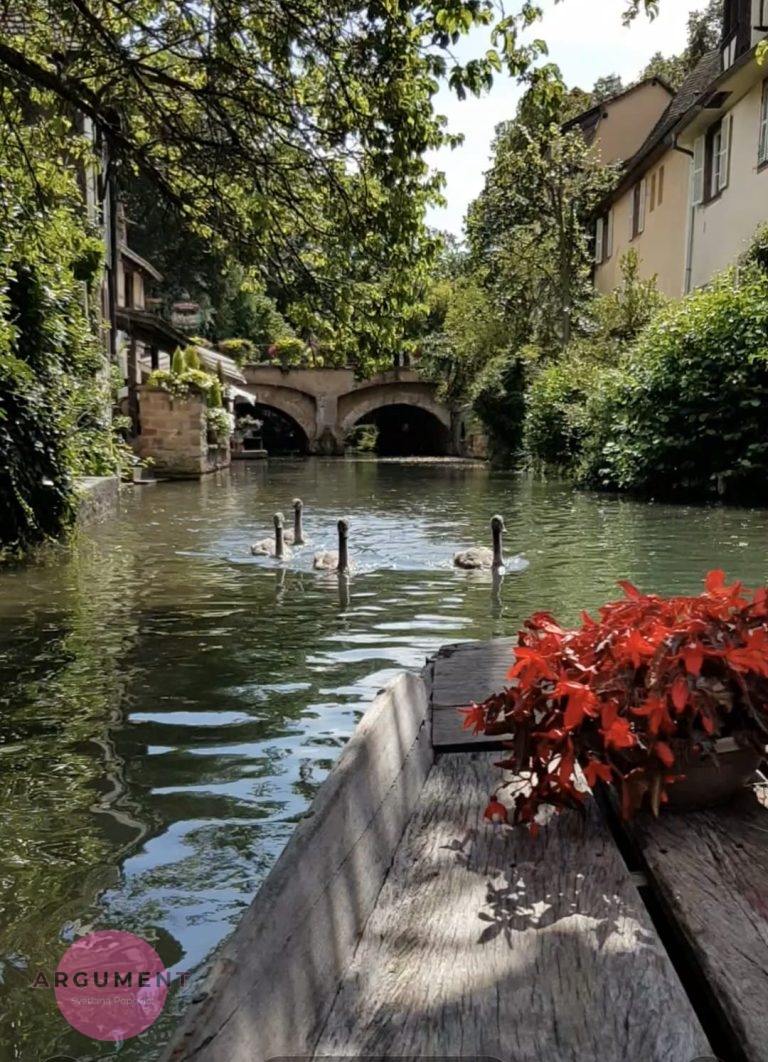
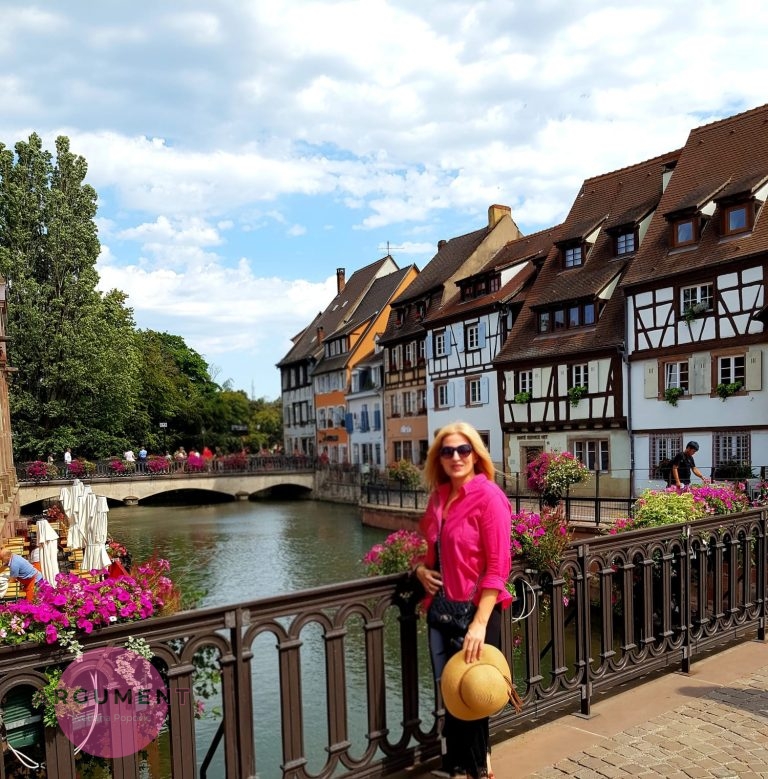
Gothic architecture dominates the city, along with other architectural styles from the Middle Ages, French classicism, and religious buildings. Colmar has several popular districts for tourists to explore. The main attraction is “Little Venice,” a part of the city that begins behind the oldest public building, Koïfhus (the Old Customs House), runs through the former fishermen’s quarter, and ends at the Tiren and Saint Pierre bridges.
In the past, fishermen and locals transported goods along this route, but today experienced boatmen guide tourists on picturesque tours along the canal of the Lauch River, which flows through the city and is connected to the Rhine. Boat rides, adapted to the narrow waterways and green landscapes that intertwine with panoramic views of houses, restaurants, and riverside gardens, offer a unique experience.
In the city and its surroundings, there are exhibition spaces of various kinds, ranging from toy museums to museums dedicated to war veterans.
While walking through the city, we saw many impressive monuments, such as the memorial dedicated to Gustave Adolphe Hirn, the most renowned scientist from Colmar, who was a pioneer of modern industry.
In the Alsace region, top-quality white wines are produced, favored by the climatic conditions. The gastronomy is based on a blend of French and German cuisine.
Colmar is connected to the European network of highways and railways, as well as to the international airports in Strasbourg and Basel, which are about 70 kilometers away.
Traditional events are held in the city, such as the celebration of spring and Easter, which will begin on April 2 and end on April 26.
Bonus video: