
From the growth in tourist numbers to
Managing Tourism Growth
Svetlana Popović Vujotić
Tourism
Montenegro achieved notable results during the 2026 summer tourist season.
The Ministry of Tourism reported that Montenegro welcomed 2.2 million tourists during the first eight months of the year, an increase of approximately nine percent compared to the previous year. Nearly 13 million overnight stays were recorded, representing an eight percent increase compared to the same period in 2025.
Preliminary data from MONSTAT show that August alone recorded 264,480 tourist arrivals and 1.13 million overnight stays in collective accommodation establishments. Foreign tourists accounted for the majority. Traditionally, the Montenegrin coast was the most visited region, accounting for 92.1 percent of overnight stays, followed by the capital city with 3.6 percent and the mountainous region in third place with 2.8 percent.
The statistics for the hottest month of the year once again confirmed a significant imbalance in tourism between the coast and the mountains, although we have long known that the situation should be different.
Tourism is a strategic national interest because our livelihoods depend on it. Therefore, each of us, within our own sphere of responsibility, not only should but must support tourism and be its ally.
Among those for whom this is a primary responsibility is Airports of Montenegro, whose Executive Director, Roko Tolić, stated in late September that the company had served three million passengers two months earlier than the previous year. However, it must also be acknowledged that passengers frequently experienced overcrowded and sweltering conditions this summer, both inside the airport terminals and outside them.
But that is behind us now.
The increase in air traffic followed the introduction of new connections with important international markets. According to Tolić, this growth will be accompanied by accelerated infrastructure development, meaning that a significant expansion of capacity at Podgorica and Tivat airports can be expected as early as next summer.
At a time when Montenegro chairs the UN Tourism Commission for Europe, the results achieved in 2019, previously a record year, have definitively been surpassed. According to a report by the European Travel Commission, Montenegro is currently the highest-rated tourist destination in Europe.
At a time when Montenegro is, as politicians say, on the doorstep of the European Union, the country has become a bustling construction site, with its hosts eager to be fully prepared to welcome visitors who are already packing their bags for a trip to the future 28th member state of the EU.
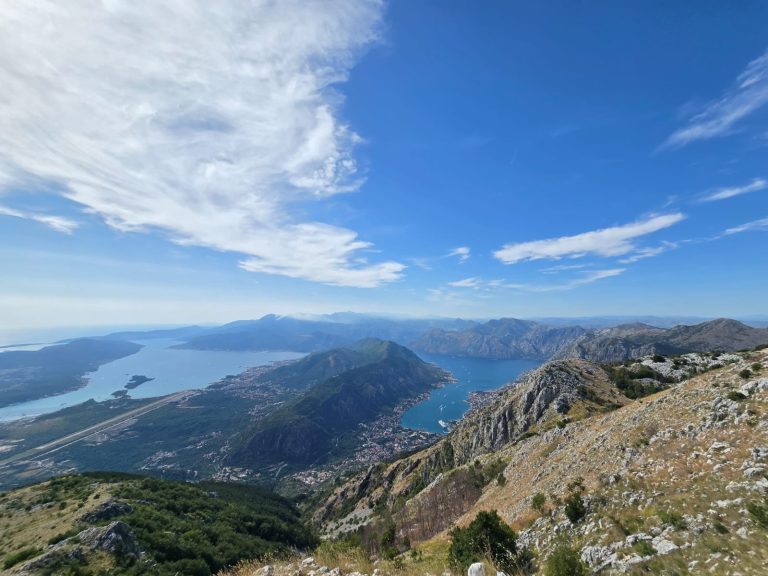
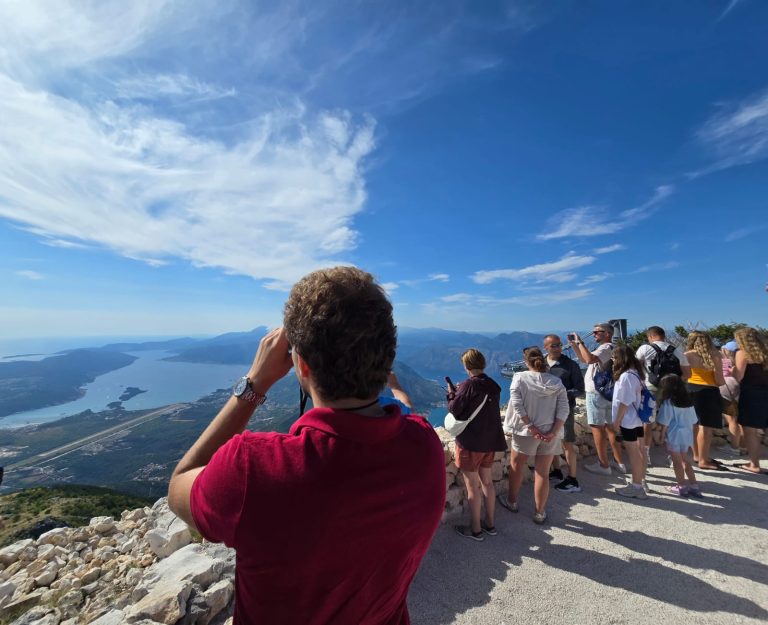
Citizens, somewhat bewildered, are witnessing the rapid transformation of the country and society as they travel along the new road from Tivat to Budva, admire the Bay of Kotor from gondolas suspended above the cliffs of one of the world's most beautiful bays on the spectacular Kotor–Lovćen cable car, or speed along the Princess Ksenija Highway towards the resorts of Kolašin…
It seems unreal, yet it is very real. It may not hurt, but it certainly comes at a cost. We may be standing on our own, but we are surrounded by partners without whom we could never have achieved as much as we demonstrate every day that we are capable of achieving.
A mystery to some, an open book to others.
We are interested in what tourism as we know it in this region stands to gain and what it risks losing through the actions we take—or fail to take—if we lose our sense of direction during this process of change.
We sought answers in a conversation with Dr. Marko Koščak, a professor at the University of Maribor, whose academic interests include sustainable and community-based tourism, tourism geography, and tourism destination management.
Dr. Koščak is the founder of the Slovenian Rural Development Network, which is part of the European PREPARE network. For many years, he led the regional sustainable tourism initiative “Heritage Trails in South East Slovenia.” He has worked for more than three decades as a consultant on UNDP programmes focused on local sustainable development and sustainable tourism initiatives in the countries of the southeastern Balkans and Croatia. He also served as an adviser to the Government of the Republic of Slovenia on structural policy and rural development.
Our interviewee earned his PhD in Slovenia in 1999 and also studied in the United Kingdom and Austria.
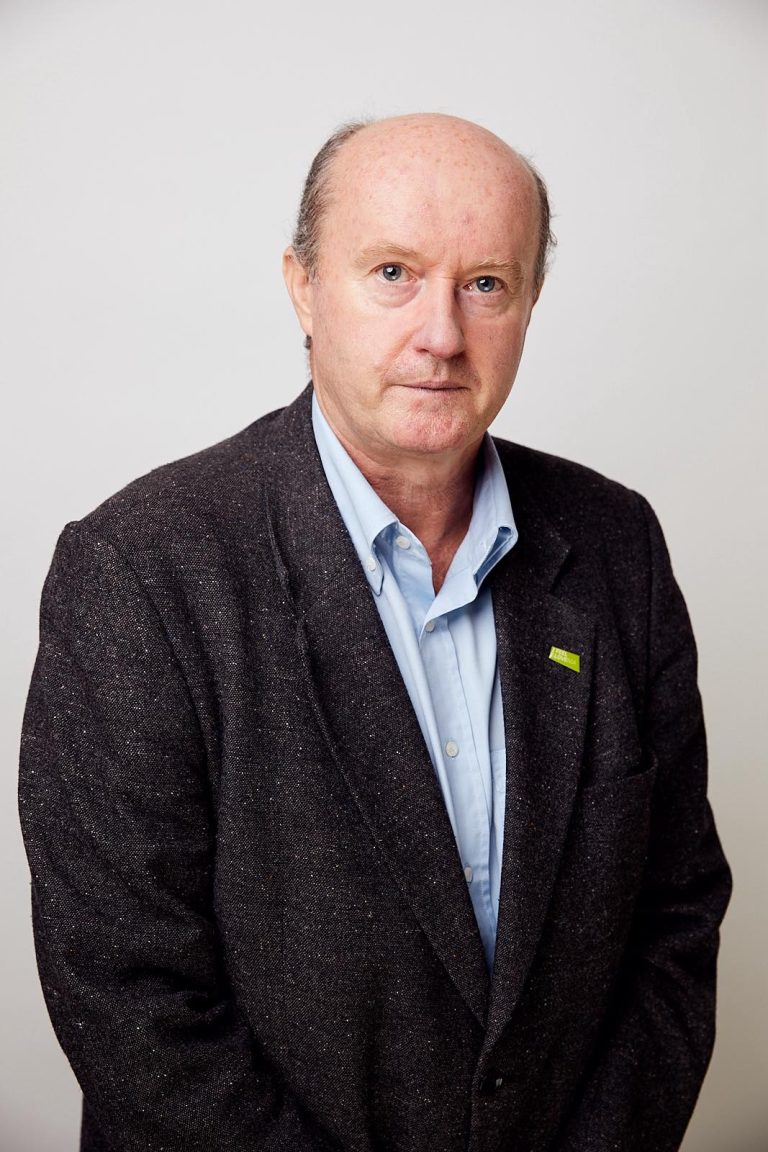
Faculty of Tourism, Brežice, Slovenia
Argument: What Will Montenegro’s Accession to the European Union Mean for Its Tourism Industry?
Dr Koščak: EU accession could represent a major development opportunity for Montenegro’s tourism sector, but it could also be a turning point at which existing weaknesses become more deeply entrenched. The most important lesson from Slovenia’s experience is that EU membership alone does not create better-quality tourism: it opens up access to markets, capital and development instruments, while success depends on how the country manages growth.
EU accession would have a stronger relative impact on tourism in Montenegro than it did in Slovenia, as tourism is already one of the key sectors of the Montenegrin economy, and the country is exceptionally small, open and spatially sensitive.
Argument: Does membership in the European Union strengthen trust and Montenegro’s international image as a tourist destination?
Dr Koščak: For a small country, reputation is extremely important. EU accession could serve as a kind of “seal of institutional trust”, which is important not only for tourists but also for investors. This could further strengthen the perception of Montenegro as a safe destination, a country with greater institutional stability, part of the common European space, and a reliable destination for travel and investment.
In the long term, one of the greatest benefits could be increased access to European funds. However, the key lesson is that EU funds are not merely money for constructing new facilities. They should primarily serve as an instrument for addressing existing development challenges and would be best used for transport infrastructure, public transportation, waste management, water supply and sewage systems, coastal protection, restoration of cultural heritage, development of northern Montenegro, cycling and hiking routes, digitalization of tourism services, and the energy transition of hotels and other tourism facilities.
Argument: Could Montenegro’s European perspective provide an opportunity for the long-awaited transformation of its tourism sector and reduce its dependence on coastal tourism?
Dr Koščak: Montenegro today has a very strong tourism identity, but a large proportion of tourist activity is concentrated in Budva, Kotor, Herceg Novi, Tivat, Ulcinj, and the coastal region in general. This creates several challenges: geographical concentration, seasonal concentration, and pressure on infrastructure. EU membership should therefore be used not to increase pressure on the coast, but to promote a more balanced geographical distribution of tourism. The greatest opportunities lie in northern Montenegro, mountain tourism, Durmitor, the Prokletije Mountains, rural communities, national parks, cultural tourism, wine and gastronomy routes, health and wellness tourism, and active tourism.
One of the most important strategic messages, in my opinion, is that the European Union should help encourage more tourists to travel throughout Montenegro, rather than simply attracting more tourists to the country.
Argument: What mistakes must we avoid as we open our market to a greater number of tourists?
Dr Koščak: If, after joining the EU, the goal becomes: “Now we have access to an even larger market, so we must attract as many tourists as possible,” Montenegro could further aggravate the problems it already faces: overcrowding, congested roads, pressure on water resources, waste management challenges, coastal overdevelopment, rising housing costs, and conflicts with local communities. Therefore, indicators of success should include not only the number of tourist arrivals and overnight stays, but also tourist spending, local added value, average length of stay, productivity, resident satisfaction, environmental pressure, water and energy consumption, and seasonality.
Montenegro does not necessarily need more tourists. It needs better tourism outcomes.
Argument: Is there a potential risk of uncontrolled construction?
Dr Koščak: This is probably the greatest risk in terms of spatial development. EU membership could increase investor interest in hotels, apartments, marinas, tourist resorts, and real estate. However, investment in itself does not necessarily mean development. The biggest mistake would be to equate tourism development with more concrete, more apartments, and more beds. Montenegro must clearly distinguish between genuine tourism investment and real estate speculation disguised as tourism investment. Particularly along the coast, land is a limited and practically non-renewable resource. Once the coastline has been developed and urbanized, restoring it to its original state is extremely difficult.
Argument: How can Montenegro ensure that a greater share of the economic benefits from the expected increase in foreign investment following EU accession remains within the country and benefits its citizens?
Dr Koščak: EU membership can attract capital, which is a positive development. However, there is a risk that most of the value generated by tourism could flow out of the country. If a foreign investor builds a hotel, uses imported food, employs temporary workers, hires foreign companies, and repatriates profits abroad, the local economic impact may be significantly smaller than expected.
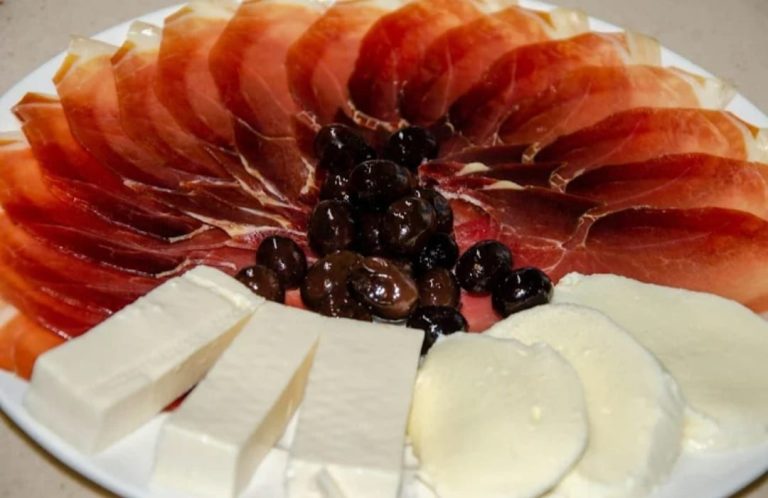
Therefore, the goal should not simply be to attract more foreign investment, but to strengthen its links with the local economy. Hotels should be connected with local farmers, winemakers, fishermen, local guides, cultural institutions, local producers, and small and medium-sized enterprises.
This way, tourism spending stays within the local economy.
Argument: Will EU accession bring Montenegro’s already rather unstable tourism labour market closer to a solution that benefits both workers and businesses, or should we prepare for new challenges?
Dr Koščak: There is a direct parallel with Slovenia here. Greater integration with the EU could mean easier access for foreign workers, but also make it easier for domestic workers to seek employment in other European countries. As a result, Montenegro could experience the same paradox.: More tourists, more hotels, and more investment – but not enough people willing to work in tourism. This means that the solution cannot lie solely in importing labour.
Efforts must focus on higher wages, better working conditions, vocational education, career development, accommodation for seasonal workers, and stronger links between education and the tourism industry. Otherwise, tourism growth could be constrained by the very lack of people needed to sustain it.
Argument: How can we preserve the satisfaction and well-being of local residents, who are the heart and soul of Montenegro’s tourism, culture, and identity, amid a significantly greater influx of visitors into a geographically small but exceptionally attractive destination?
Dr Koščak: This is perhaps the most important lesson from the experiences of numerous European destinations. If residents of Kotor, Budva, or other tourist towns begin to feel that they can no longer live normally in their communities, that housing is becoming too expensive, infrastructure is overstretched, public spaces are dominated by tourists, and tourism generates profits for a few while creating problems for everyone, then tourism loses its social legitimacy.
Interestingly, Montenegro’s new Law on Tourism and Hospitality, adopted in draft form by the Government in June 2026, places particular emphasis on the quality of life of local communities, regional diversification, destination resilience, and digitalization. This demonstrates that the issue has already been recognized at the tourism policy level.
Argument: Can “Wild Beauty” Survive the Wave of Major Changes Ahead in Tourism?
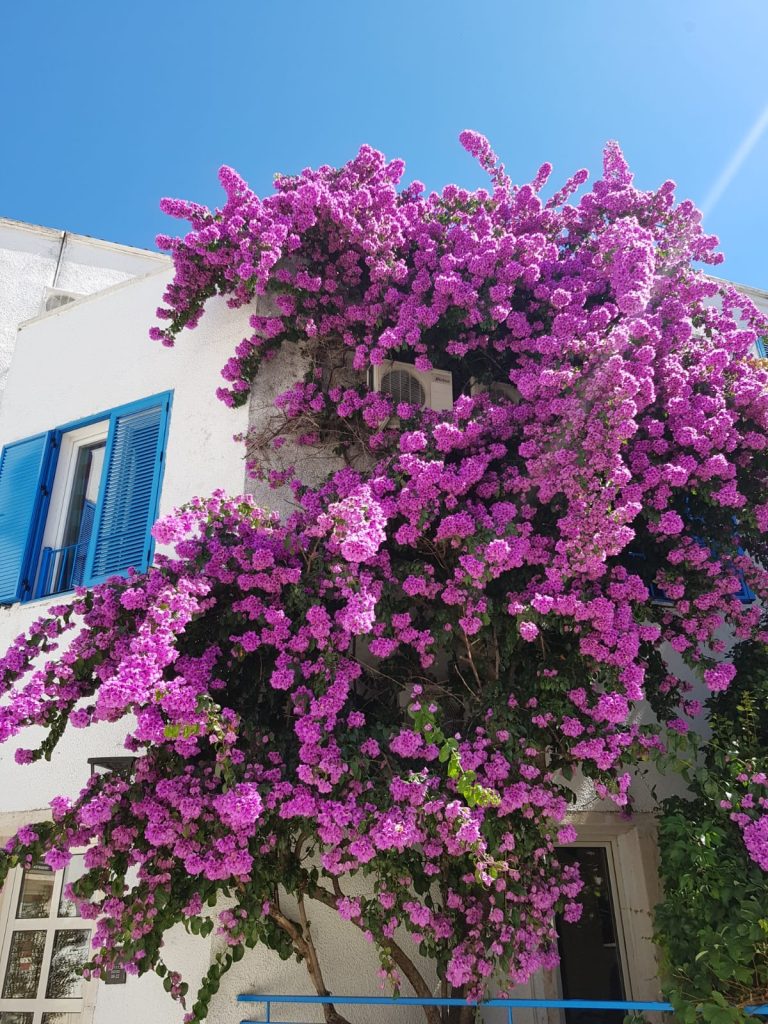
Dr Koščak: Montenegro must not turn sustainability into merely a marketing slogan. Your country has an enormous advantage in its natural identity. However, “Wild Beauty” or “green destination” mean little if they coexist with uncontrolled construction, waste management problems, pollution of the sea and rivers, excessive traffic, and overcrowded national parks.
Sustainability must become a system of management, not just a promotional message. This means establishing carrying capacity limits, monitoring visitor numbers, managing traffic, protecting sensitive areas, implementing environmental standards for accommodation, and measuring the actual impacts of tourism.
Argument: What Would an “Ideal” Scenario for Montenegro’s Tourism Look Like from Its First Steps in the EU?
Dr KoščakIn my opinion, Montenegro should follow this development strategy: after gaining access to the EU market, it should not automatically expand its tourism capacity. Instead, it should focus on improving quality and increasing value, while promoting tourism development in the north and rural areas. It should also work to reduce seasonality and strengthen local value chains. The result would be greater benefits from tourism without a proportional increase in pressure on the environment, land resources, and local communities.
Argument: If we were to turn Slovenia’s experience into a single recommendation for Montenegro, what would it be?
Dr Koščak: Do not wait until tourism becomes too big a problem before trying to limit it. Manage growth while you still have the freedom to make choices. Slovenia recognized relatively early on that its competitive advantage could not lie in mass tourism, but rather in a combination of nature, quality, diversity, and higher value per visitor. Montenegro has perhaps an even stronger natural foundation for such a model, but also faces a greater risk of excessive tourism concentration along its relatively small coastal area.
EU accession should not be seen as an opportunity for Montenegro to attract as many tourists as possible, but rather as an opportunity to generate greater value from existing and future tourism activity for local communities, the economy, and the environment.
In this sense, the biggest mistake would not be insufficient tourism growth. The biggest mistake would be uncontrolled growth.