
Women can do anything
Svetlana Popović Vujotić
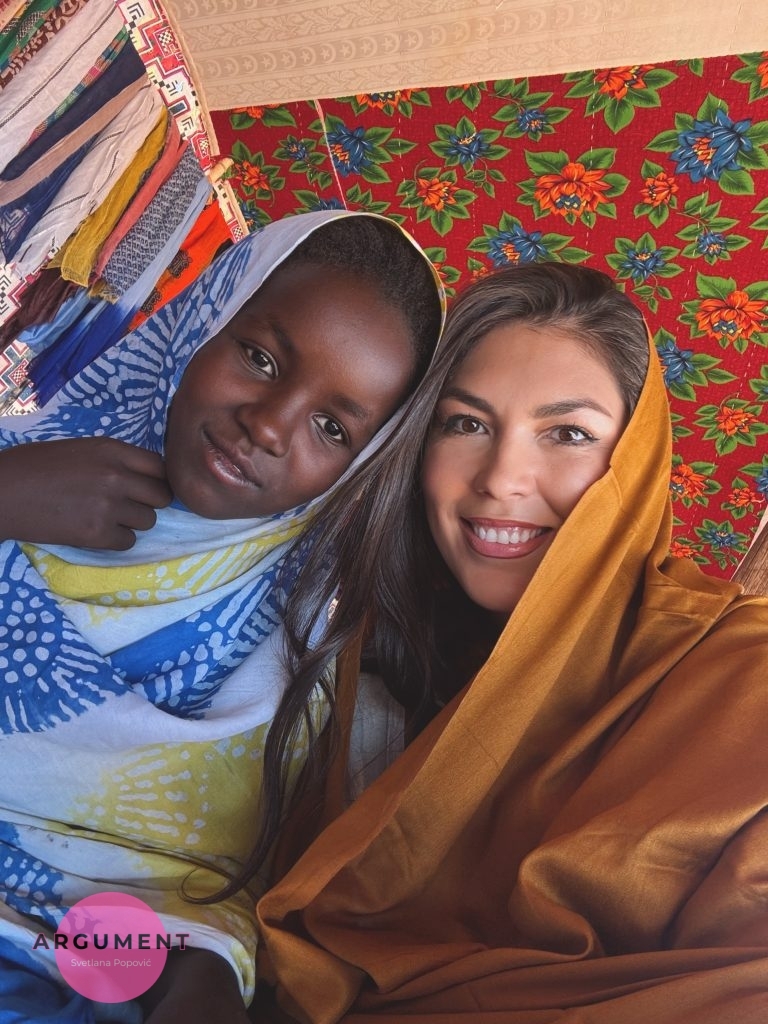
Travel
Our world could not exist without women. Women create and sustain life within life. They are the color of human reality and the reason of humanity. Guided by an innate philosophy of love, tolerance, and wisdom, they are unwaveringly devoted to peace. Contrary to their ideals and beliefs, even in the 21st century women are often victims of violence, and the true measure of any society is seen in how it treats its most vulnerable members, as Mahatma Gandhi, the founder of the philosophy of nonviolence, said.
International Women’s Day, March 8, established as a holiday in 1910 at the initiative of Clara Zetkin, who led the German socialists and the women’s labor movement, is in fact an enduring remembrance of the demonstrations of female workers in Chicago in 1909 and the New York march of 15,000 women who demanded better working conditions and the right to vote.
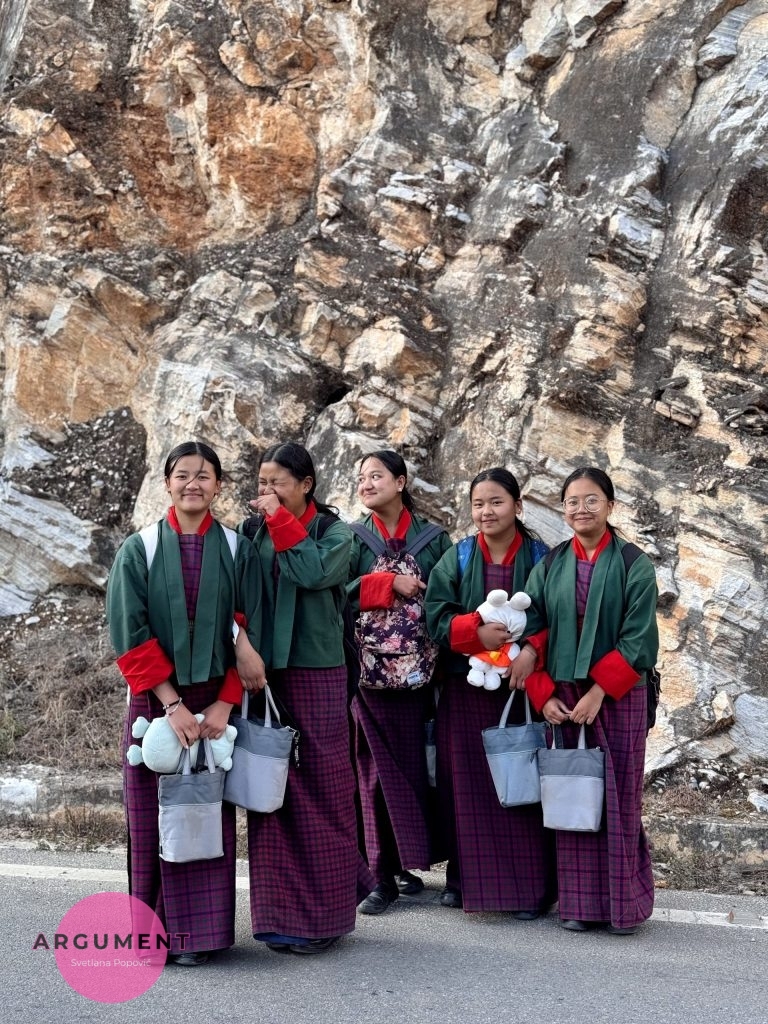
Bhutan
Seeking an authentic female perspective on the lives of women around the world, our invitation for a conversation reached Jovana Kvržić, soon to be a Doctor of Pharmacy from Novi Sad and a popular influencer, in the heart of tropical Africa, the second most populous continent in the world…
Argument: You embarked on your journey around the world in 2015 and have visited over 110 countries so far—what is the position of women in societies of different cultures?
Jovana Kvržić: The attitude toward women varies greatly across the planet. Women are respected everywhere, but that respect is expressed in different ways. Even in the most controversial Islamic communities, the essence of the relationship toward women is that they are very important and that men must take care of them. Problems in the treatment of women in such communities stem from misinterpretations of the essence of women in Islam.
Argument: In which countries are women’s rights and their education at a worryingly low level?
Jovana Kvržić: Afghanistan and Yemen are the countries where I have seen the lowest level of women’s freedom. I have not witnessed violence against women anywhere, and I hope it will remain that way. When it comes to education, it is at its lowest level in Africa, in tribal communities where schooling is not mandatory.
Argument: Is the cult of the powerful woman, regardless of the period in which they lived, still present and respected in some societies?
Jovana Kvržić: As the most powerful woman among all those I have learned about—primarily from local people while visiting various destinations—I would highlight Cleopatra, a historically and culturally well-known figure in Egypt. Her legacy is still respected today. She is considered a symbol of the country, which clearly speaks of her influence, greater than the reputation and importance of many men of her time.
Argument: How different is the perception of female beauty in wealthy and developed countries compared to traditional and less affluent societies?
Jovana Kvržić: Women all over the world want to be beautiful, and that beauty is expressed in many different ways. For example, Iranian women often undergo nose surgery because they believe their noses are naturally large, while in parts of Europe it is believed that larger breasts and lips make a woman more attractive. In Ethiopia, among the Mursi tribe, women place plates in their lips and earlobes, and also create tattoos using a blade, as they consider this a symbol of beauty.
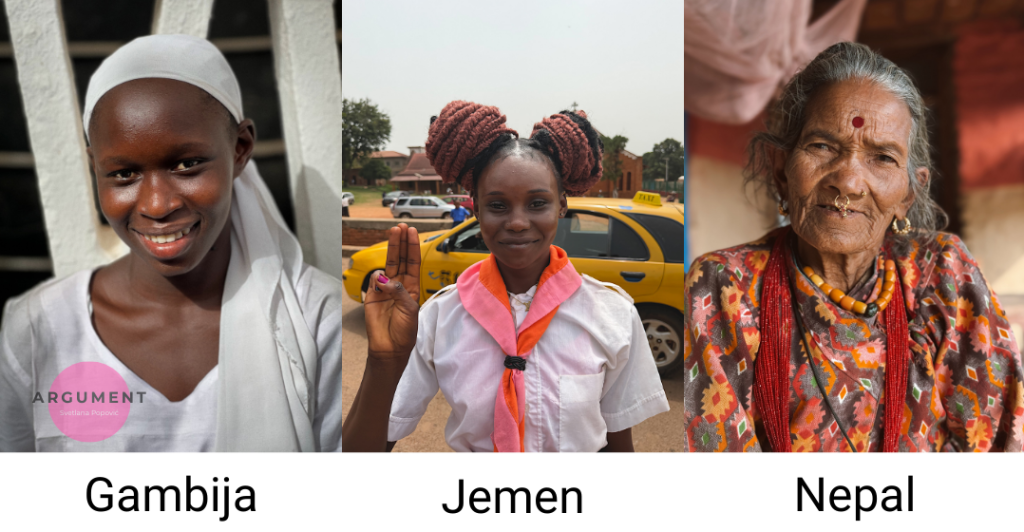
Argument: Where have you seen the most naturally beautiful women, and do lifestyle and the geographical characteristics of the places they live in influence their physical appearance?
Jovana Kvržić: It is difficult to single out just one country, but let it be Sierra Leone, where I also attended a Miss pageant. Environment and lifestyle greatly influence a woman’s appearance. In places where women are forced, due to low living standards, to do hard physical labor, you can see how sculpted their bodies are—as if they go to the gym every day. On the other hand, we can see examples in the United States and countries in South America, where obesity, caused by a lack of movement and unhealthy eating habits, is quite visible, and female physique has gone to the other extreme.
Argument: What is considered a fashion trend, compared to Western culture, in countries that are less frequently visited?
Jovana Kvržić: Women outside Europe and America are, in that sense, truly feminine, which is most visibly reflected in their clothing. Dresses are predominantly worn rather than trousers, as is common in our region. Colorful and flowing fabrics are widely used. Through fashion—women’s fashion in this case—the culture and tradition of a particular country are actually reflected.
Argument: You have visited Montenegro several times and promoted its natural beauty, but you have also met many Montenegrin women—what is your opinion of them?
Jovana Kvržić: I think Montenegrin women are beautiful and brave, very authentic and distinctive.
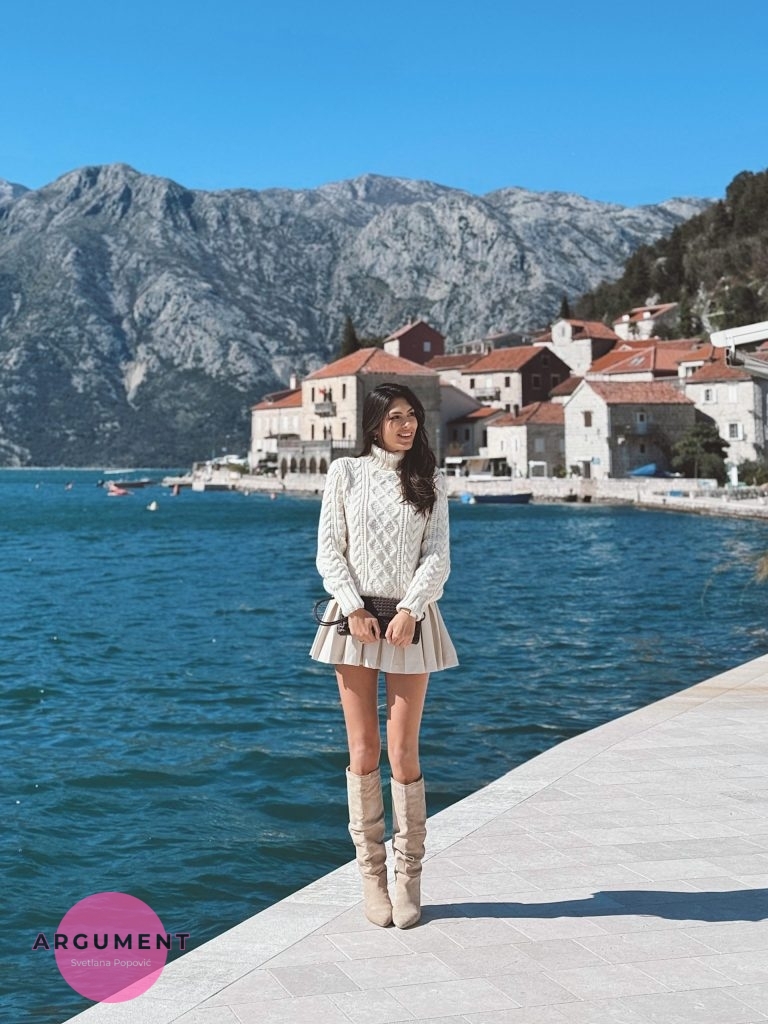
Jovana Kvržić @jovana_kvrzic
Argument: While traveling the world as a woman, have you ever felt unsafe anywhere, regardless of the fact that your team accompanies you, and which countries are the safest for tourist travel?
Jovana Kvržić: When I respect the rules of the country I travel to, I have no problems. There are very few places on the planet where I have felt unsafe as a woman, but I always make sure to learn about the customs and way of life, and I try to adapt. What impresses me the most is how quickly I can adjust. I wouldn’t generalize, but some African countries can be unsafe for solo female travelers, while many Islamic countries are among the safest, such as Oman, the UAE, Qatar, and Kuwait. They are also very safe for tourists due to strict laws and a very good attitude toward guests.
Argument: Your perception of March 8 as International Women’s Day?
Jovana Kvržić: For me, March 8 means celebrating women in every sense and a reminder that women truly can do anything!
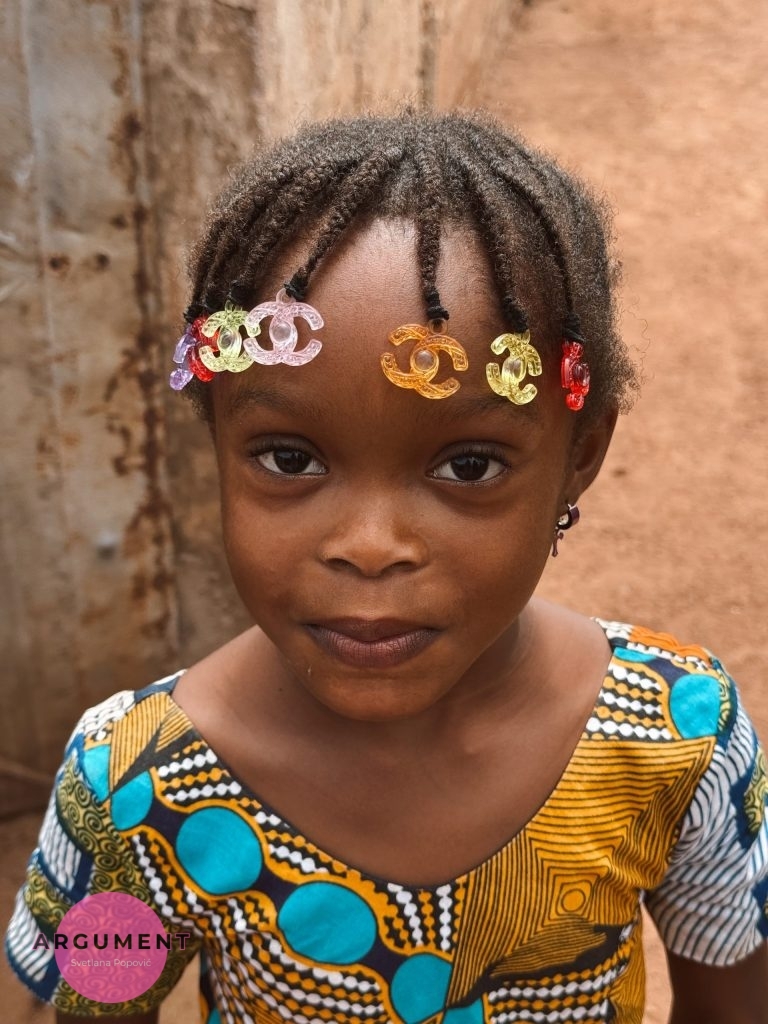
Ivory Coast